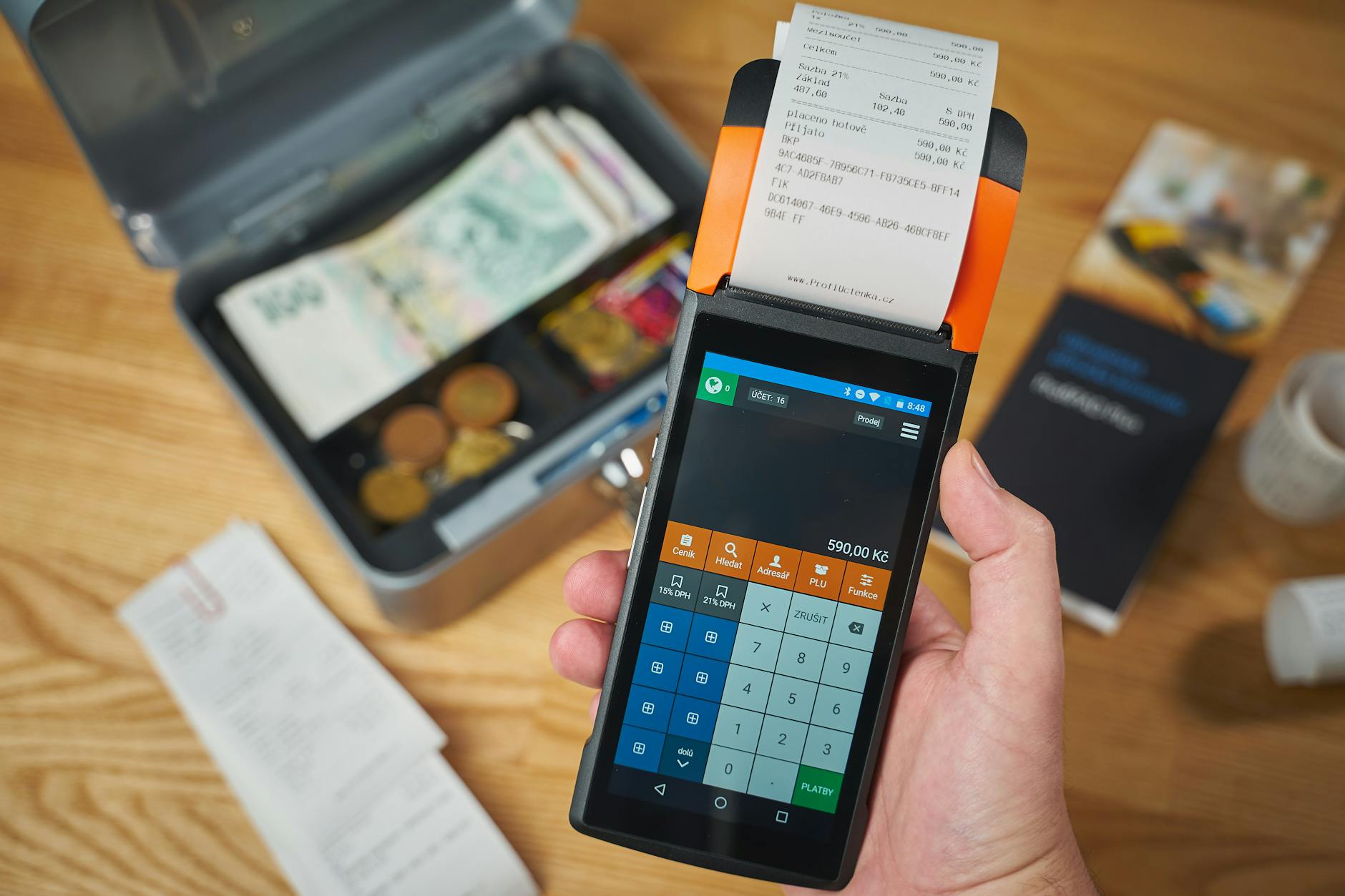
Understanding E-Invoicing in the UAE: What it Means for Your Business (Explainer & Common Questions)
The UAE is on the cusp of a significant digital transformation with the impending mandate for e-invoicing, a move set to revolutionize how businesses manage their financial transactions. This isn't just about replacing paper with digital files; it's a fundamental shift towards streamlined, secure, and compliant invoicing processes. Essentially, e-invoicing involves the electronic exchange of invoices between suppliers and buyers in a structured, machine-readable format – often XML – that can be easily processed by accounting systems. Businesses operating in the UAE need to understand that this change isn't optional; it's a regulatory requirement that will impact everything from their invoicing software to their internal accounting workflows. Proactive preparation will be key to avoiding penalties and leveraging the myriad benefits of this modern approach.
For your business, understanding e-invoicing goes beyond just knowing what it is; it's about comprehending its practical implications and preparing for a seamless transition. This includes evaluating your current invoicing infrastructure, identifying potential gaps, and exploring compliant software solutions. Key aspects to consider are:
- Data Security: Ensuring your e-invoicing solution meets stringent data protection standards.
- Interoperability: Can your system communicate with various business partners' systems?
- Compliance: Does your chosen solution adhere to future UAE Tax Authority regulations?
- Integration: How will e-invoicing integrate with your existing ERP or accounting software?
E-invoicing for retail firms streamlines the billing process, reducing manual errors and improving efficiency in transaction handling. By adopting e-invoicing for retail firms, businesses can enhance compliance with tax regulations, speed up payment cycles, and gain better visibility into their financial operations, ultimately leading to cost savings and improved customer satisfaction.
Seamless E-Invoicing Implementation: Practical Tips & Best Practices for UAE Retailers (Practical Tips & Common Questions)
Embarking on the journey of e-invoicing implementation in the UAE retail sector doesn't have to be daunting. A strategic, phased approach is often the most effective. Start by conducting a thorough internal audit of your current invoicing processes to identify bottlenecks and areas for improvement. This includes evaluating your existing ERP or accounting software's capabilities and determining if it can be integrated with new e-invoicing solutions or if an upgrade is necessary. Engage with your key stakeholders early on – your finance team, IT department, and even your suppliers and customers – to gather their insights and address potential concerns. Consider pilot programs with a small subset of transactions or a single store location to iron out any kinks before a full-scale rollout. Remember, robust security protocols are paramount for protecting sensitive financial data throughout the transition.
Beyond the technical setup, successful e-invoicing implementation hinges on effective change management and continuous training. Provide your staff with comprehensive training on the new system, emphasizing its benefits in terms of efficiency, reduced errors, and compliance. Create clear, concise FAQs and readily accessible support channels to address common queries and minimize disruption during the initial phase. Furthermore, establishing a system for ongoing monitoring and evaluation is crucial. This involves tracking key performance indicators (KPIs) such as processing times, error rates, and compliance adherence. Regular reviews will allow you to identify areas for optimization and ensure your e-invoicing solution continues to meet the evolving regulatory landscape of the UAE. Don't forget to communicate clearly with your trading partners about the transition, providing them with guidance and support to ensure a smooth and collaborative shift to e-invoicing.