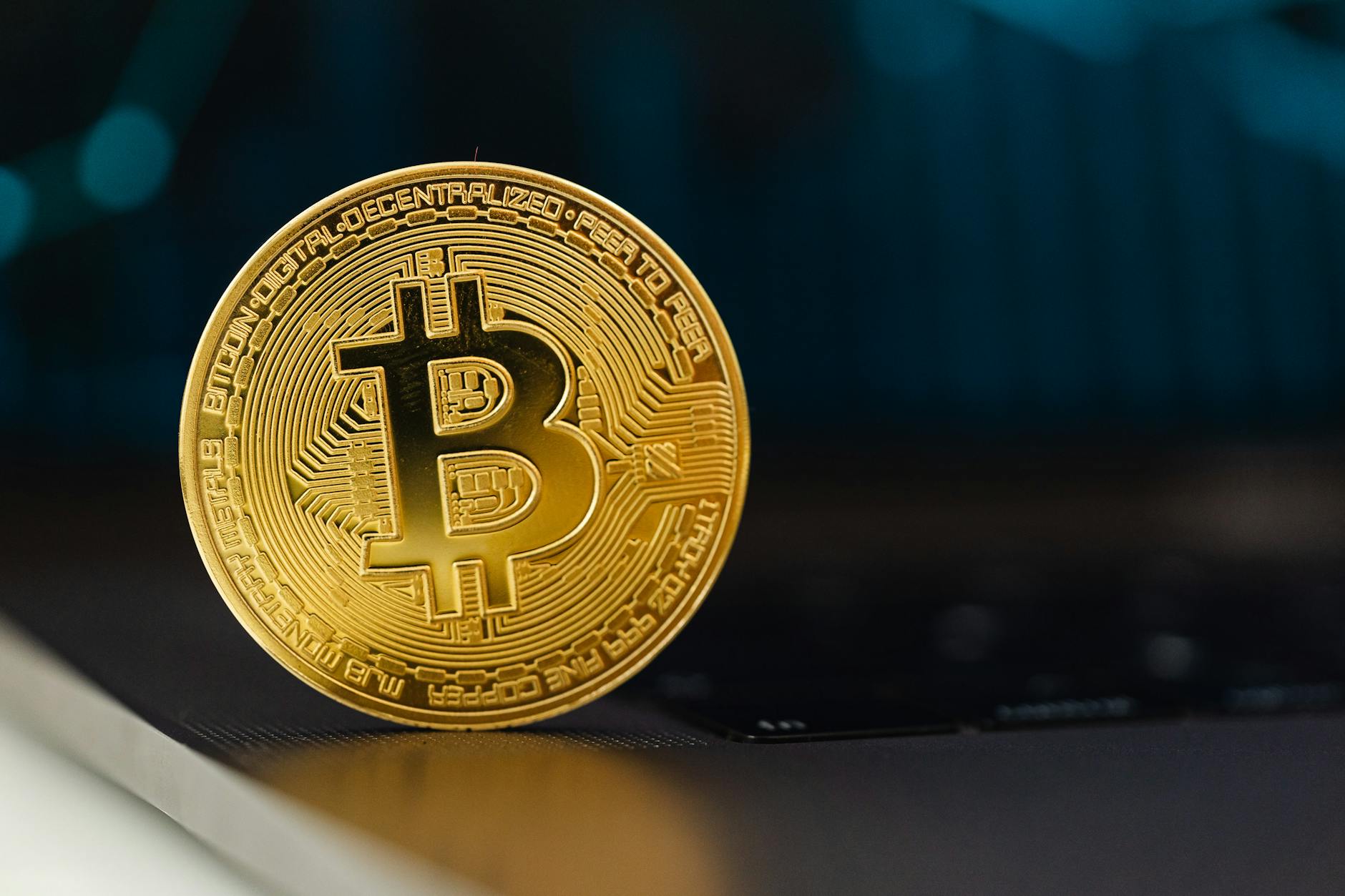
Understanding the Odds: How Decentralization Enhances (and Challenges) Betting Security
Decentralization, at its core, offers a compelling paradigm shift for betting security, primarily through the elimination of single points of failure. In traditional online betting, a central server or authority holds all user data, funds, and game logic, making it a lucrative target for cyberattacks. A decentralized betting platform, built on blockchain technology, distributes these critical components across a network of independent nodes. This means that even if one node is compromised, the integrity of the entire system remains intact. Furthermore, the inherent transparency of blockchain transactions, where every bet and payout is recorded on an immutable public ledger, fosters a level of trust unimaginable in conventional systems. Users can independently verify the fairness of games and the legitimacy of payouts, significantly reducing the risk of fraud or manipulation by the platform operator. This enhanced transparency and distributed architecture are foundational to a more secure and equitable betting landscape.
While decentralization presents powerful security advantages, it also introduces unique challenges that require careful consideration. One significant hurdle is the scalability dilemma. Blockchain networks, particularly those designed for high security and immutability, often struggle with transaction throughput, which can lead to slower bet processing times and higher fees. This can diminish the user experience, especially in fast-paced betting environments. Another challenge lies in the user experience (UX) for non-technical users. Engaging with decentralized applications (dApps) often requires managing cryptocurrency wallets, understanding gas fees, and navigating complex interfaces, which can be a barrier to widespread adoption. Finally, the regulatory landscape for decentralized betting remains largely undefined. While decentralization offers a degree of censorship resistance, the lack of clear legal frameworks can create uncertainty for both operators and users, potentially hindering growth and consumer protection. Addressing these challenges is crucial for decentralization to fully realize its potential in enhancing betting security.
Decentralized betting offers a revolutionary approach to wagering, leveraging blockchain technology to ensure transparency, fairness, and censorship resistance. Unlike traditional bookmakers, decentralized betting platforms operate on smart contracts, meaning outcomes are verifiable and payouts are automated without the need for intermediaries. This creates a more secure and trustworthy environment for participants worldwide.
Your Secure Bet: Practical Steps and FAQs for Protecting Your Funds on Decentralized Platforms
Navigating decentralized finance (DeFi) offers incredible opportunities, but it also demands a proactive approach to security. Protecting your funds isn't just about choosing reputable platforms; it's about implementing a robust set of personal practices. Start by ensuring your seed phrase is stored offline in multiple, secure locations – never digitally or in easily accessible cloud storage. Consider hardware wallets like Ledger or Trezor as your primary interface for interacting with DeFi protocols; these devices isolate your private keys from your internet-connected computer, significantly reducing the risk of compromise. Regularly audit the smart contracts you interact with using tools like Etherscan to verify their legitimacy and identify any potential vulnerabilities. Finally, always be wary of phishing attempts; meticulously check URLs and never click on suspicious links.
Beyond foundational security, understanding common threats and their mitigation is paramount. One frequent query revolves around "What if I lose my hardware wallet?" – a valid concern. The answer lies in your seed phrase; as long as that is secure, your funds are recoverable on a new device. Another common question is,
"How do I avoid connecting to malicious dApps?"Always cross-reference the dApp's official website with information from trusted sources like CoinGecko or CoinMarketCap. Be cautious of dApps promising unrealistic returns, as these are often scams. Furthermore, understand the concept of 'impermits' and 'approvals,' and revoke unnecessary allowances for smart contracts you no longer use. Regular security audits of your own digital habits are just as important as the audits conducted on the platforms themselves.